

🧩 Puzzles and Games for Kids: Building Focus, Thinking Skills, and Patience Through Play
Nov
Introduction: Why Puzzles and Games for Kids Matter More Than Ever
In today’s fast-paced world filled with digital noise, many parents are searching for meaningful, screen-free ways to support their child’s development. Puzzles and games for kids offer one of the most effective and timeless solutions. These hands-on activities help children build focus, patience, problem-solving skills, and emotional resilience—while still feeling like play.
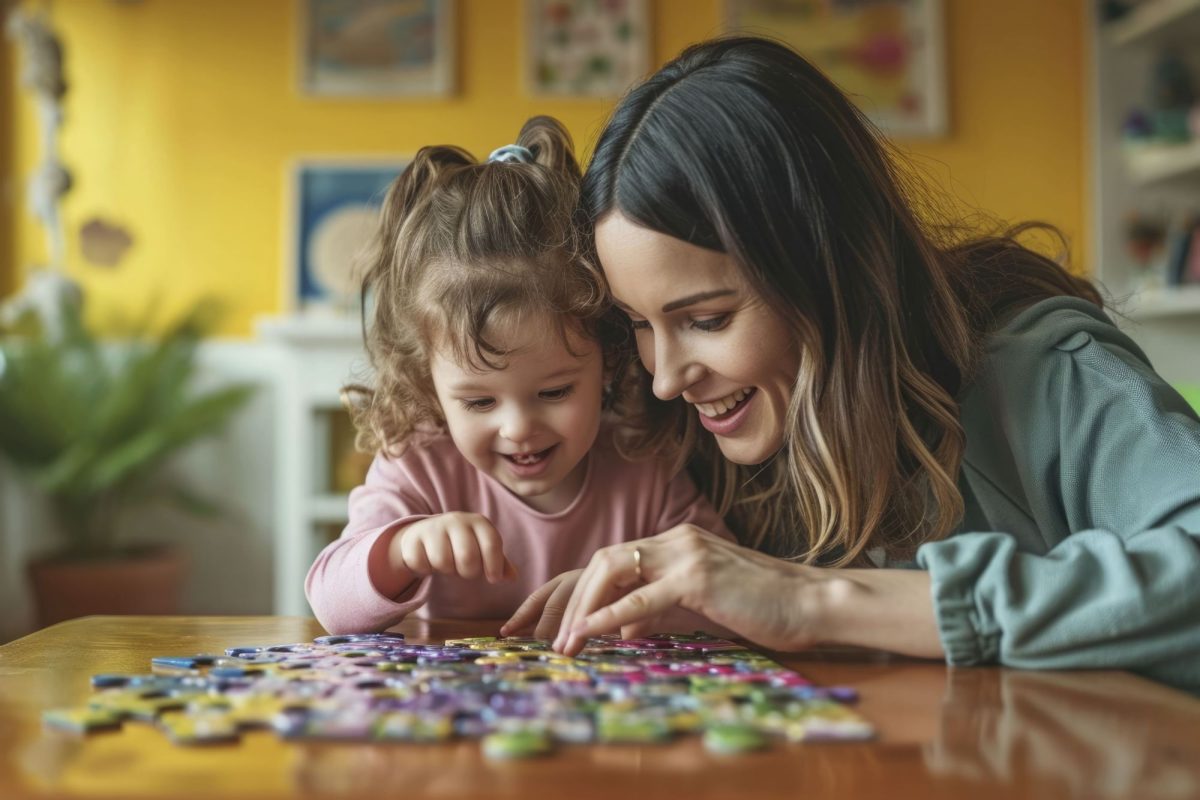
When children engage with puzzles and games, they actively use their brain to recognize patterns, test ideas, and solve challenges. Over time, this strengthens concentration, logical thinking, and confidence. As a result, puzzles and games for kids are not just toys—they are powerful learning tools that support healthy cognitive growth. Concentration, problem-solving skills, and emotional resilience—all while having fun.Why Puzzles and Games for Kids Improve Focus and Attention
Why Puzzles and Games for Kids Improve Focus and Attention
One of the biggest benefits of puzzles and games for kids is their ability to strengthen attention span. Unlike fast-moving digital content, puzzles require children to slow down, observe carefully, and stay engaged until a task is complete.
As children work through a puzzle:
- They focus on one goal at a time
- They learn to ignore distractions
- They practice patience and persistence
Because success does not come instantly, children naturally develop longer attention spans. This skill later supports classroom learning, reading, and independent work.
How Puzzles Support Critical Thinking and Problem-Solving
Puzzles and games for kids encourage active thinking rather than passive entertainment. Each piece placed or move made requires reasoning, decision-making, and adjustment.
Children learn to:
- Try different strategies
- Recognize mistakes and self-correct
- Predict outcomes
- Think logically and creatively
Research by the University of Chicago found that children who engage in regular puzzle play show improved spatial reasoning and stronger math skills later in school. (Source: University of Chicago – Puzzle play helps boost learning of important math-related skills)
You can combine puzzles with Montessori toys for ages 3–5 to build both logic and independence.
Types of Puzzles and Games for Kids (By Skill)
Not all puzzles develop the same abilities. Offering variety helps support balanced development.
Wooden Puzzles and Shape Sorters
These puzzles help children understand shapes, sizes, and spatial relationships. They are ideal for toddlers and preschoolers developing early logic and coordination.
Logic Games and Matching Games
Matching cards, sequencing boards, and logic sets encourage memory, planning, and structured thinking. These puzzles and games for kids strengthen early reasoning skills.
Jigsaw Puzzles
Jigsaw puzzles teach children how parts create a whole. They improve visual perception, persistence, and problem-solving.
Strategy and Turn-Based Games
Simple board games introduce rule-following, turn-taking, and emotional regulation—essential social and cognitive skills.
Montessori Perspective: Why Puzzles and Games Work So Well
Montessori education emphasizes deep concentration and hands-on learning. In Montessori classrooms, puzzles and games for kids are carefully designed to provide the right level of challenge—not too easy, not too difficult.
Montessori principles highlight that:
- Concentration develops through meaningful work
- Children learn best by doing
- Repetition strengthens understanding
Puzzles allow children to enter a state of “flow,” where they are calm, focused, and deeply engaged. This state supports confidence and independent thinking.
Montessori Activities for Fine Motor Skills (Sensory Play for Strong Writing Hands)
Screen-Free Learning: A Major Advantage of Puzzles and Games for Kids
Unlike screens, puzzles and games for kids encourage active participation. Children use their hands, eyes, and minds together, which leads to stronger brain connections.
Screen-free puzzle play helps:
- Reduce overstimulation
- Improve emotional regulation
- Support healthy sensory processing
- Build real-world problem-solving skills
For parents looking to reduce screen time without sacrificing learning, puzzles are one of the most effective alternatives.
Choosing the Right Puzzles and Games for Kids by Age
Selecting age-appropriate puzzles is essential for maintaining motivation and focus.
- Ages 1–2: Large knob puzzles, shape sorters, simple matching
- Age 3: Wooden puzzles, sequencing games, basic logic boards
- Age 4: Multi-piece jigsaws, memory games, pattern games
- Age 5+: Strategy games, advanced logic puzzles, problem-solving sets
Choosing the right level ensures children feel challenged but not frustrated.
How Parents Can Support Learning Through Puzzle Play
Parents play an important role in maximizing the benefits of puzzles and games for kids.
Helpful tips:
- Allow children to solve problems independently
- Avoid correcting too quickly
- Encourage effort rather than speed
- Rotate puzzles to keep interest high
Simple encouragement builds confidence and a love of learning.
Conclusion: Why Puzzles and Games for Kids Are Worth the Investment
Puzzles and games for kids are more than just entertainment. They are essential tools that help children develop focus, patience, logic, and confidence—skills that support learning for life.
By choosing high-quality, screen-free puzzles, parents invest in their child’s cognitive and emotional development. Every puzzle solved is a step toward stronger thinking, resilience, and independence.