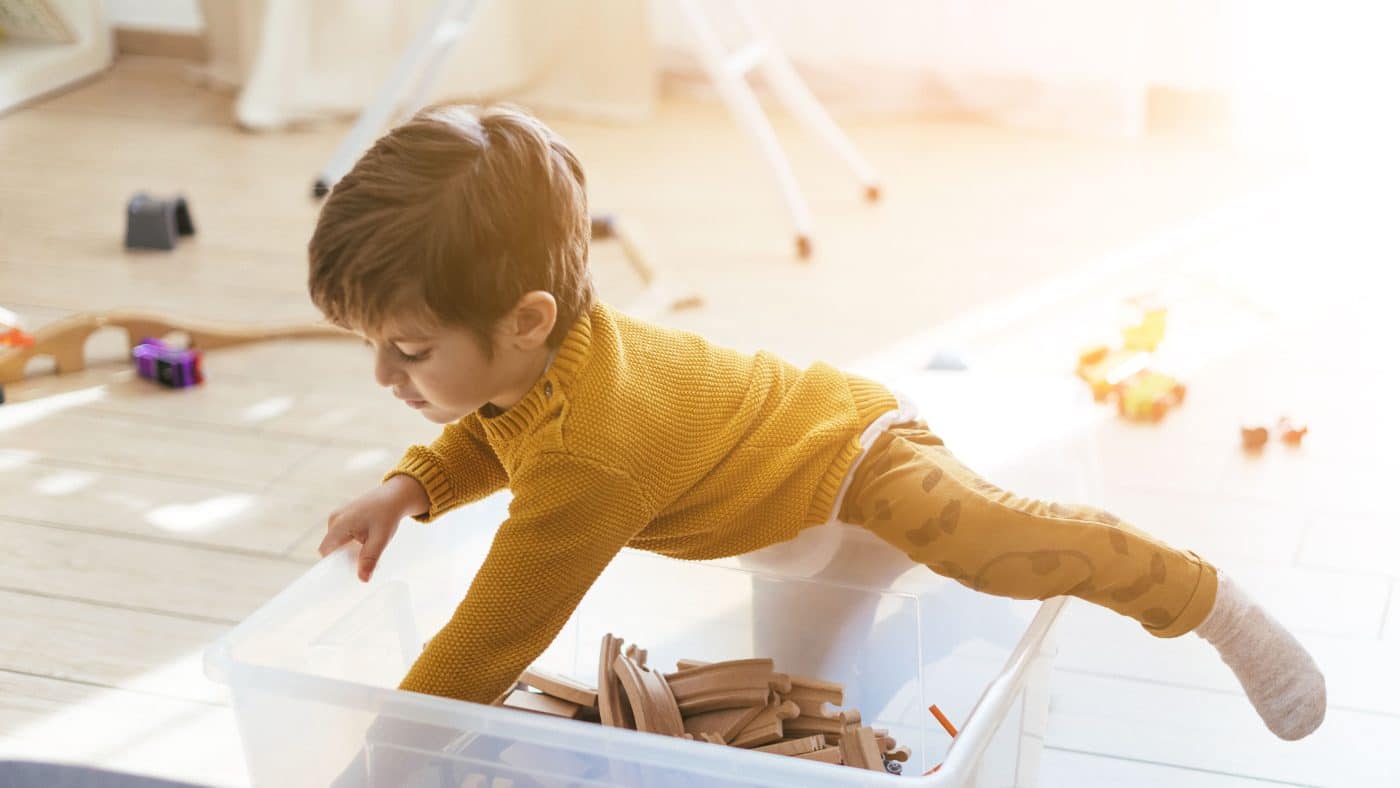
Introduction Many parents are surprised when a child who seems bright, curious, and capable shows little interest in logic puzzles. Perhaps you buy a wooden puzzle that looks perfect for their age. Maybe you set up a brain game that promises to build critical thinking skills. Yet instead of becoming engaged, your child walks away, […]
Category Archives: Play & Learning at Home
Here you’ll find fun and educational play ideas for home, helping children learn basic concepts like colors, numbers, and letters in an engaging way.
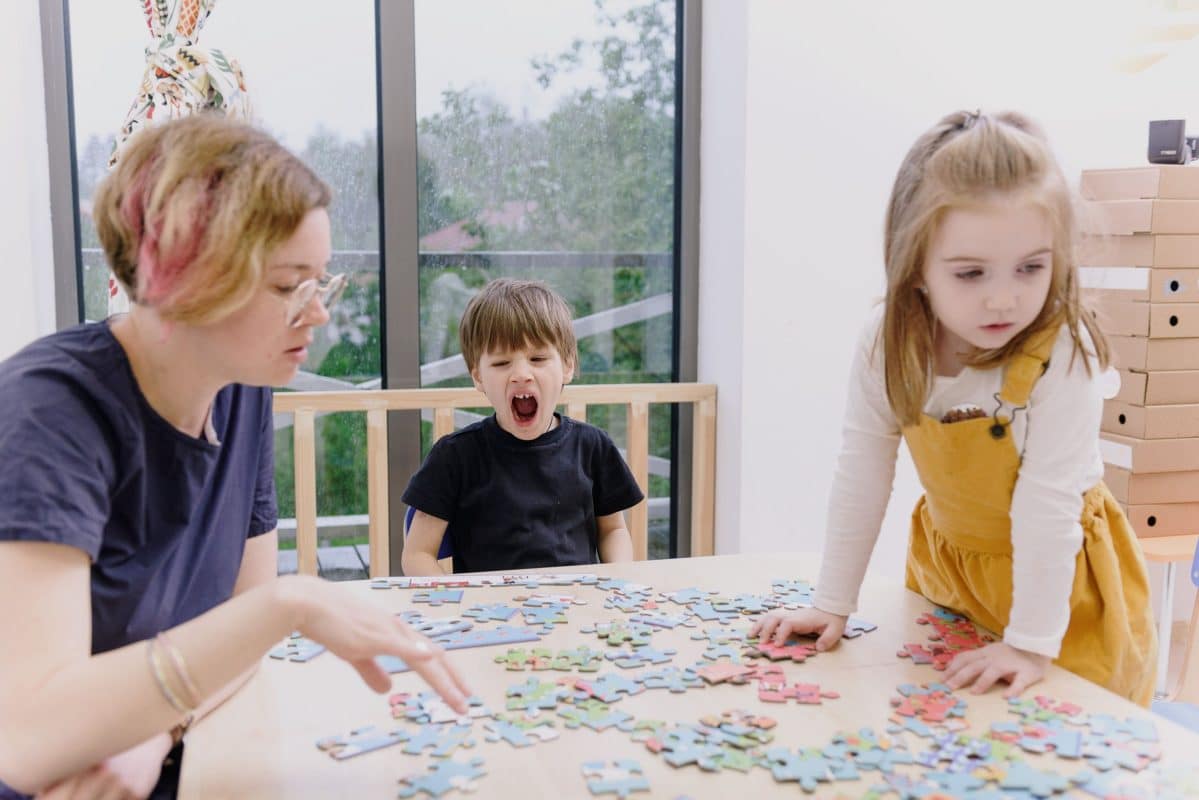
Introduction Many parents buy a puzzle expecting their child to love it immediately. Instead, something surprising happens. One child spends twenty minutes trying different solutions, while another loses interest after thirty seconds. Some children become frustrated, push the pieces away, or ask for help repeatedly. Others seem naturally drawn to the challenge. When this happens, […]
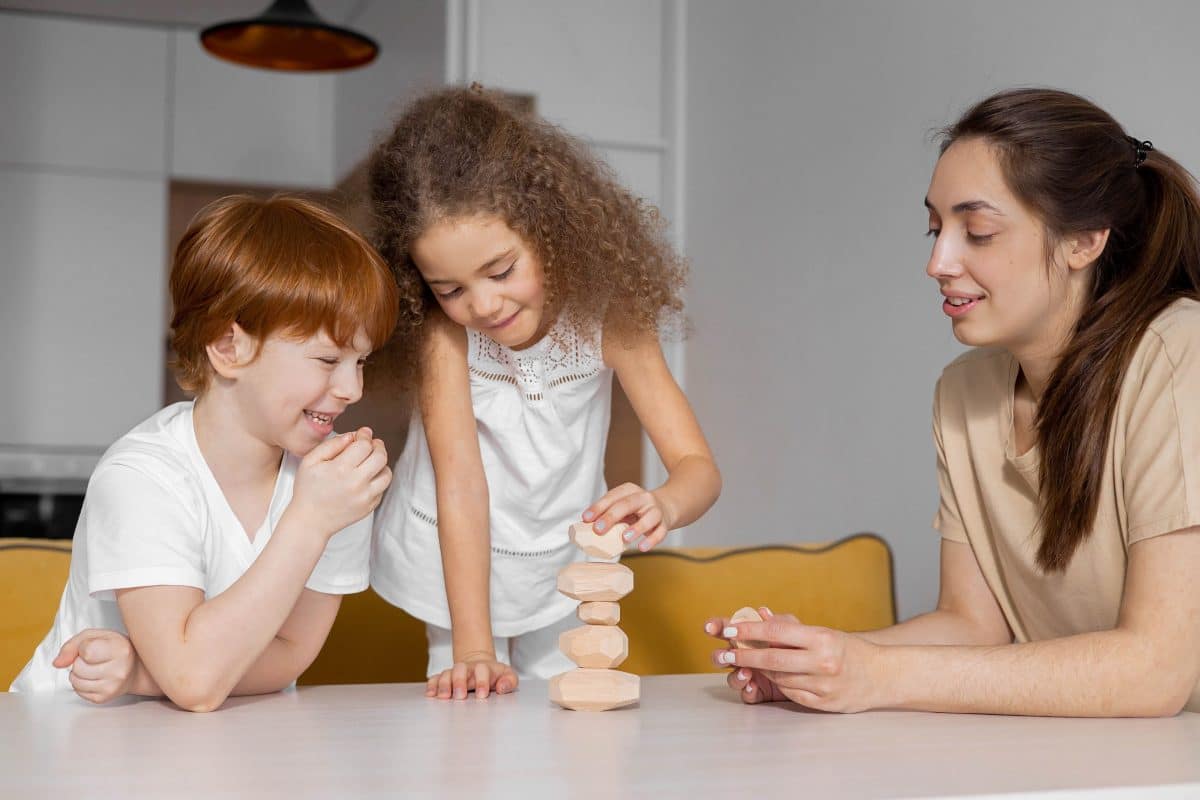
Introduction If you’ve ever given your child a set of balancing stones, you’ve probably seen the same reaction. They carefully place one stone on top of another, hold their breath for a second, and then everything comes crashing down. The first response is often frustration. Some children try again immediately. Others walk away after a […]
Introduction Why kids avoid puzzles is a question many parents ask when they see their child lose interest after only a few minutes. While some children enjoy solving puzzles and challenges, others seem frustrated or uninterested. Understanding why kids avoid puzzles can reveal important insights about attention, confidence, learning styles, and early development. Why Some […]
Introduction Open-ended toys for problem solving help children think independently, explore different solutions, and develop critical thinking skills through play. Unlike toys with fixed outcomes, open-ended materials encourage experimentation, creativity, and decision-making. As children build, sort, design, and imagine, they learn how to solve challenges naturally—without pressure or instructions. What Makes a Toy Open-Ended? An […]
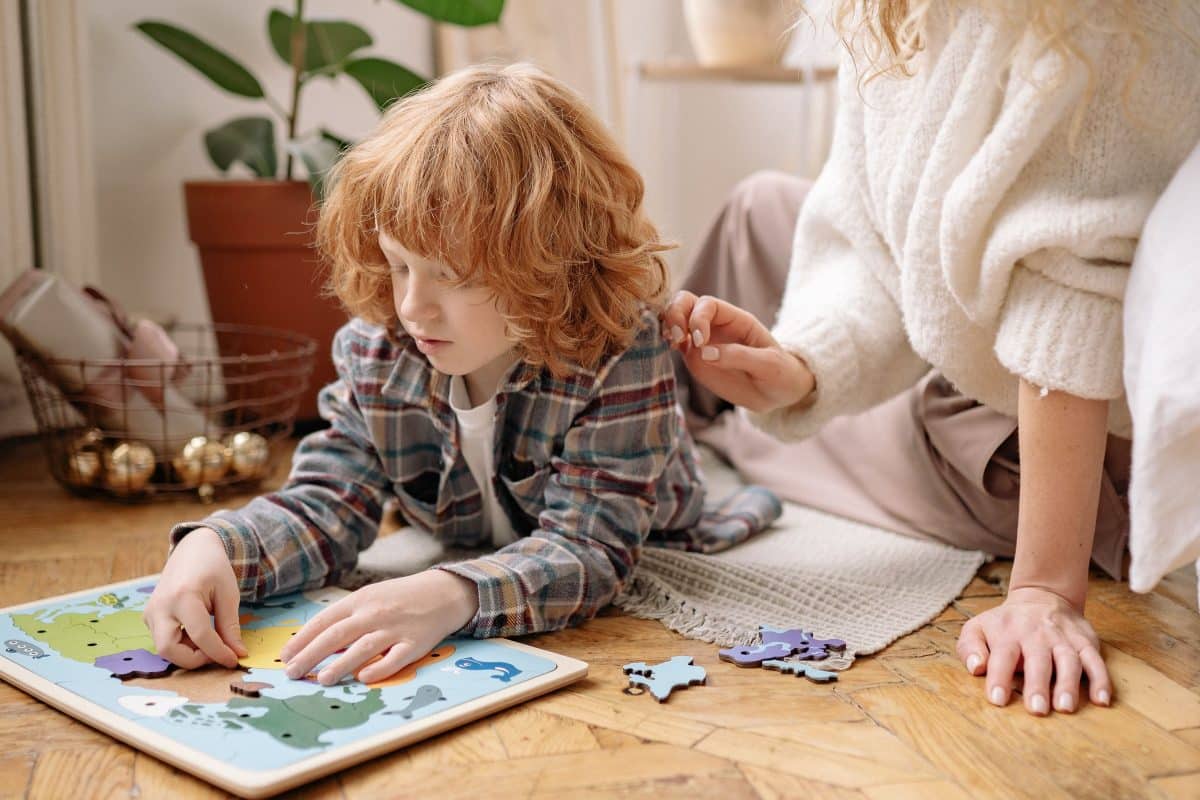
Introduction Many parents search for logic puzzles for kids because they want activities that do more than simply keep children busy. While many toys create short moments of excitement, puzzles challenge children to think, focus, and solve problems independently. More importantly, children learn by experimenting. They test ideas, notice patterns, and adjust their approach. Through […]
Introduction Many parents first hear about an object permanence box while exploring Montessori toys for babies and toddlers. At first glance, the toy seems surprisingly simple. A child drops a ball into a hole, watches it disappear, and then sees it reappear moments later. However, this small activity supports an important stage of early brain […]
Introduction Many parents notice that children become fascinated by the moon, stars, and planets at a surprisingly young age. A simple question like “Why does the moon follow us?” often becomes the beginning of a lifelong curiosity about science and space. Because of this natural interest, many families start looking for astronomy toys for kids. […]
Introduction Many parents search for the best astronomy toys for kids because children are naturally fascinated by space, planets, stars, and astronauts. In fact, astronomy toys combine learning and creativity in a way few educational toys can. The best astronomy toys for kids encourage curiosity, problem-solving, imagination, and early STEM learning through hands-on exploration. Instead […]
Introduction Developmental milestones by age help parents understand how children grow, learn, and interact with the world. While every child develops at their own pace, these milestones provide helpful guidelines to track progress over time. Understanding developmental milestones by age can reduce stress and help you support your child in a calm and informed way. […]