

A Parent’s Guide to Sensory Toys: How They Boost Brain Development and Focus
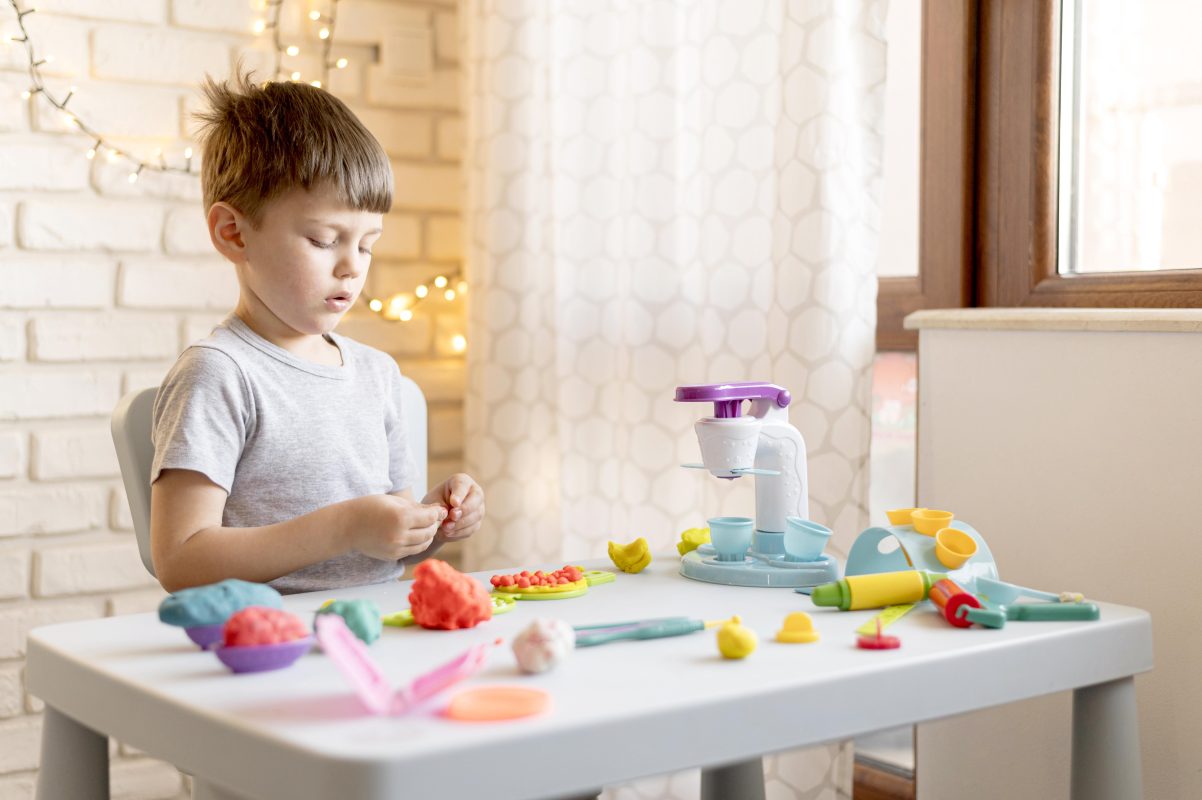
Sep
As a parent, you’ve probably noticed how quickly children become fascinated by sounds, textures, colors, and movement. This natural curiosity is one reason sensory toys and brain development are closely connected during early childhood. Through hands-on experiences, babies and toddlers build important pathways for learning, attention, memory, and problem-solving.
Rather than simple entertainment, sensory play helps children understand the world around them. Every texture, sound, and movement becomes part of how the brain grows and learns.
In today’s world full of screens, sensory toys are more valuable than ever. These toys stimulate a child’s senses and lay the foundation for focus, creativity, and brain development.
Children learn best through active experiences rather than passive entertainment. This is one reason many families explore educational toys for brain development that encourage thinking, movement, and hands-on discovery from an early age.
🌈 What Exactly Are Sensory Toys?
Sensory toys are objects that encourage children to use their five senses — touch, sight, sound, smell, and sometimes even taste (in a safe, non-toxic way). They do more than entertain; they invite hands-on exploration and curiosity.
For example, a busy board with switches and textures, or a soft block with crinkly sounds, helps children experiment with different sensations. In this way, sensory toys become more than playthings — they are tools for discovery and growth.
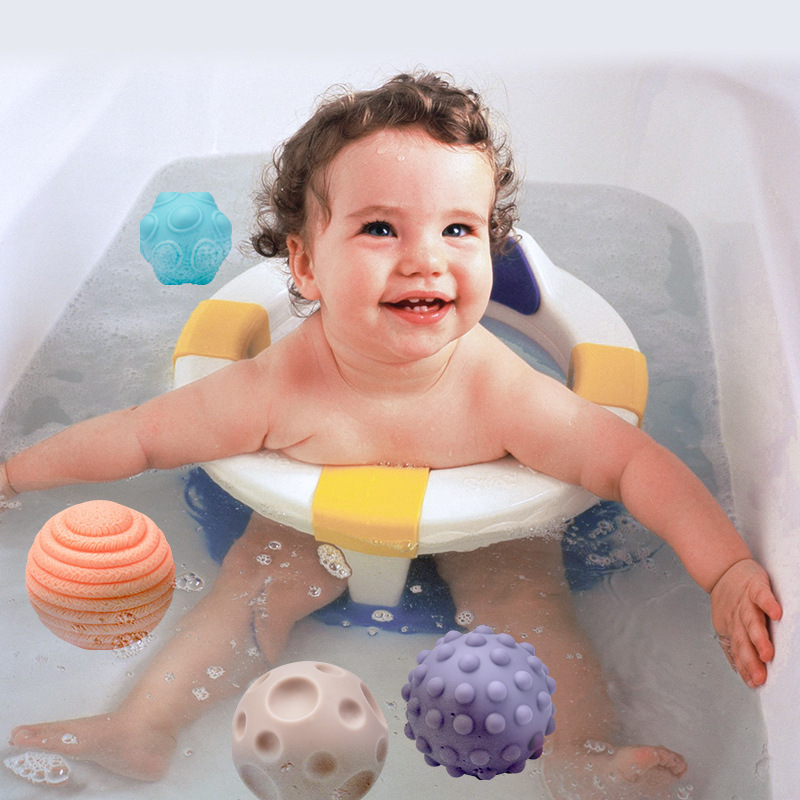
🧠 The Incredible Benefits of Sensory Play
When children engage in sensory play, their brains are building vital connections that support all future learning. Each experience adds another layer of understanding and confidence.
1. Boosts Brain Development
From birth, a baby’s brain learns by receiving sensory input. For instance, squeezing a soft cube helps them understand “soft” and “hard,” while musical toys teach cause and effect. As a result, sensory toys help children strengthen thinking skills and build the foundation for lifelong learning.
2. Improves Fine Motor Skills
Small actions — like stacking blocks or sorting textured shapes — train the tiny muscles in a child’s hands and fingers. These fine motor skills prepare them for everyday tasks such as writing, buttoning clothes, and feeding themselves.
3. Enhances Focus and Concentration
Many children become overwhelmed when surrounded by too many toys or constant stimulation. Purposeful sensory activities encourage children to slow down and engage deeply. Families interested in improving concentration often explore attention span toys for kids that build focus naturally through play.
4. Supports Language Development
Talking about what your child experiences — “This block is smooth and blue!” — helps connect play with words. This strengthens vocabulary and communication, turning playtime into an early language lesson.
Why Sensory Toys Support Early Brain Development
Early childhood is a period of rapid brain growth. During the first years of life, repeated sensory experiences help strengthen neural connections that support memory, attention, and learning.
For example, activities that involve sorting, touching, and matching naturally support sensory toys brain development by encouraging children to interact actively with their environment rather than passively watching screens.
Many parents who focus on early learning also explore simple thinking activities at home to strengthen attention and problem-solving skills through play.
Early childhood is a period of rapid brain growth. During the first years of life, repeated sensory experiences strengthen neural pathways connected to memory, language, and attention.
For example, sorting, matching, and hands-on exploration naturally support sensory toys brain development because children actively interact with their environment. Parents who enjoy creating learning opportunities at home often also use simple thinking activities at home to encourage problem-solving through everyday play.
🧩 Choosing the Right Sensory Toys
The best sensory toys don’t need to be expensive. What matters most is variety and engagement. For instance, a Montessori-inspired toy that focuses on a single skill can encourage independence. Meanwhile, a busy board offers multiple textures and activities that keep little hands and minds busy.
The environment itself also influences how children learn. A calmer and simpler setup often creates better opportunities for meaningful play. This is one reason many parents begin creating minimalist playroom ideas that reduce distraction and support imagination.
If you’re building a play space, look for toys that invite exploration and creativity. You can find wonderful options in our hand-picked collection of Sensory Toys and Educational Toys, designed to support every stage of your child’s development.
Sensory Play and Independent Learning
Sensory experiences become even more powerful when children have time to explore independently. Constant entertainment is not always necessary. In fact, many experts suggest that moments of unstructured play support creativity and curiosity. This connects closely with the benefits of boredom for children and how imagination develops during free play.
🌟 Give Your Child the Gift of Learning
Every time your child plays, they are learning in the best way possible — through experience. With the right sensory toys, play becomes a joyful way to boost focus, brain growth, and imagination.
So next time you see your child lost in play, remember: that’s learning in motion. Give them the tools to grow — one texture, sound, and color at a time.
Parents interested in practical play ideas can also explore screen free learning activities for toddlers that encourage movement, creativity, and hands-on learning at home.
For more insights on this topic, you may want to read this article:
From Screens to Hands: How Tactile Play Builds Real Intelligence in
FAQ
What are sensory toys?
Sensory toys are play materials designed to stimulate a child’s senses such as touch, sight, sound, and movement. These experiences support learning and early brain development through hands-on exploration.
How do sensory toys help brain development?
Sensory toys help strengthen neural connections related to attention, memory, problem-solving, and language. Through repeated play experiences, children gradually build important cognitive skills.
Are sensory toys good for toddlers?
Yes. Age-appropriate sensory toys help toddlers explore safely while improving fine motor skills, focus, and curiosity.
Can sensory toys improve focus?
Many sensory activities encourage children to slow down and engage deeply with one task at a time. Over time, this can support longer attention spans and concentration.
Do children need expensive sensory toys?
No. Simple items such as textured balls, stacking toys, sorting games, and hands-on activities can provide meaningful sensory experiences.