

Why Some Kids Love Repetition: The Hidden Science Behind Playing the Same Toy Again and Again
May
Introduction
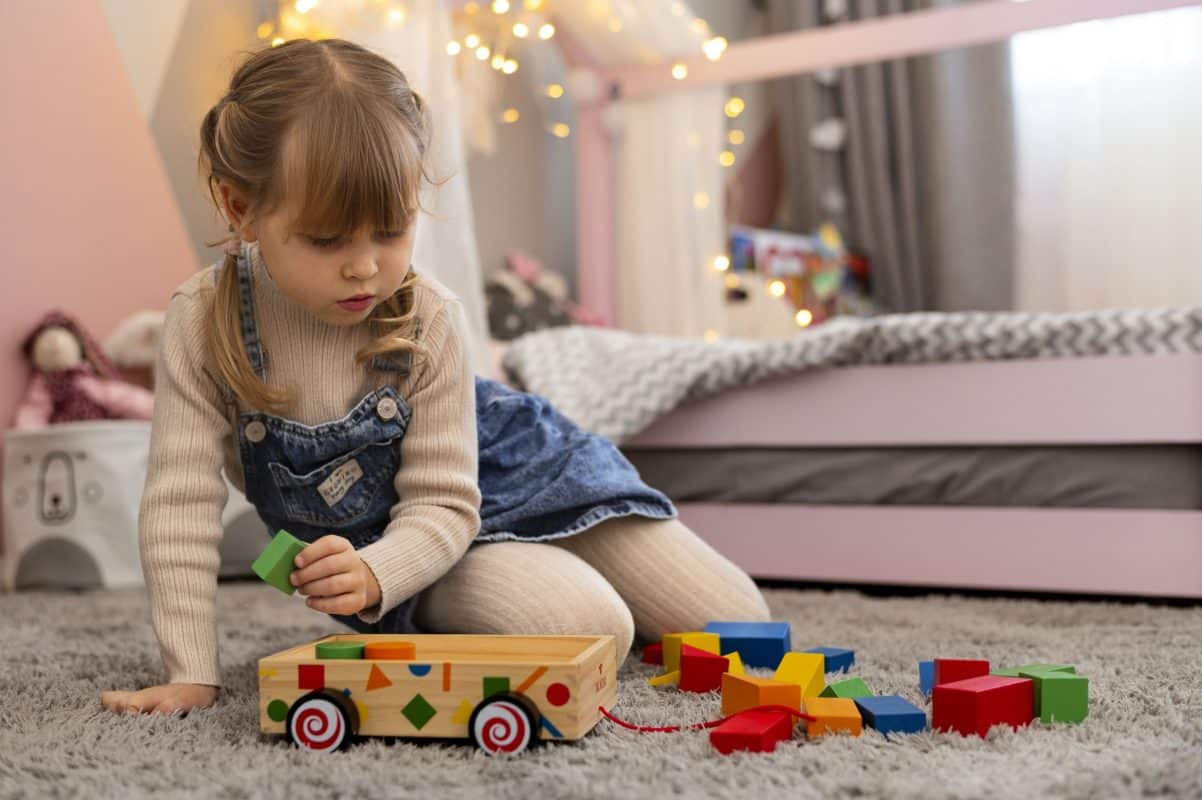
Many parents become confused when their child chooses the same toy every day. Instead of trying something new, children often repeat identical activities over and over. They may stack the same blocks, complete the same puzzle, or return to one favorite toy repeatedly.
However, repetitive play is not a sign of boredom or lack of creativity. In fact, understanding why kids play with the same toy repeatedly reveals something important about how children naturally learn. Repetition helps children build confidence, strengthen memory, and create powerful brain connections.
Rather than rushing children toward constant novelty, parents can learn how repetition supports healthy development.
Why Repetition Feels So Important to Children
Children learn differently than adults.
Adults often seek variety and novelty. Young children, however, learn through repetition because repeated experiences create predictability and mastery.
Each time a child repeats an activity, they strengthen neural pathways. Instead of becoming bored, they become more confident.
This is one reason many families using a toy rotation strategy notice that children reconnect deeply with familiar activities after toys return.
Repetition Builds Focus and Attention
Longer attention spans rarely appear naturally.
Children build concentration gradually through repeated experiences.
For example, children working with puzzles, stacking toys, or matching games often return to them many times. Over time they begin noticing details, correcting mistakes, and staying engaged longer.
This process supports many of the same benefits discussed in:
Repetition Strengthens Executive Function Skills
Executive function includes:
- working memory
- planning
- self-control
- flexible thinking
When children repeat activities, they practice these skills naturally.
A child using matching toys repeatedly remembers patterns and plans actions more efficiently over time.
This connects closely with:
executive function toys for kids
Montessori Education Encourages Repetition
Montessori classrooms intentionally allow repetition.
Instead of pushing children toward constant change, children repeat activities until they feel internal satisfaction.
Because of this approach, many Montessori toys for toddlers are designed with simplicity rather than endless stimulation.
Children choose:
- repeat
- practice
- improve
- master
at their own pace.
Why Parents Sometimes Interrupt Learning Accidentally
Adults often assume:
“He already did that.”
But children think differently.
When parents constantly introduce new toys, children sometimes lose opportunities for deep learning.
Similarly, having too many toys available may reduce meaningful play.
A calmer environment with fewer choices often supports:
Repetition Does Not Mean Lack of Creativity
Many parents worry:
“If my child repeats one activity, creativity will disappear.”
Usually the opposite happens.
First children master skills through repetition.
Then they begin changing rules, experimenting, and creating new ideas.
This process explains why periods of slower, self-directed play also connect strongly with the:
benefits of boredom for children
Conclusion
Understanding why kids play with the same toy repeatedly helps parents see repetition differently.
Children repeat activities because repetition supports learning.
Through repeated play, children develop focus, confidence, memory, and stronger thinking skills.
Sometimes growth does not happen through constant change.
Sometimes it happens by doing the same thing—one more time.
FAQ
Is it normal for kids to play with the same toy every day?
Yes. Repetitive play helps children build confidence, strengthen memory, and develop new skills through practice.
Should parents encourage new toys constantly?
Not necessarily. Too much novelty can reduce focus. Children often benefit from repeating familiar activities.
Does repetitive play improve attention span?
Yes. Repeating activities helps children practice concentration and stay engaged longer.
Can repetitive play support learning?
Absolutely. Repetition helps children strengthen neural connections and master skills naturally.