

How Educational Toys Build Problem-Solving Skills in Early Childhood
May
Introduction
Many parents focus on helping children learn letters, numbers, and early academic skills. However, one of the most important abilities children develop during early childhood is learning how to think. Educational toys for problem solving help children explore ideas, test solutions, and discover answers through hands-on play.
Rather than memorizing information, children learn by experimenting. They observe patterns, make mistakes, and try again. Through this process, play becomes more than entertainment—it becomes brain development in action.
Why Problem-Solving Skills Matter in Early Childhood
Problem-solving skills shape how children approach challenges throughout life. These abilities help children think independently, manage frustration, and adapt when situations change.
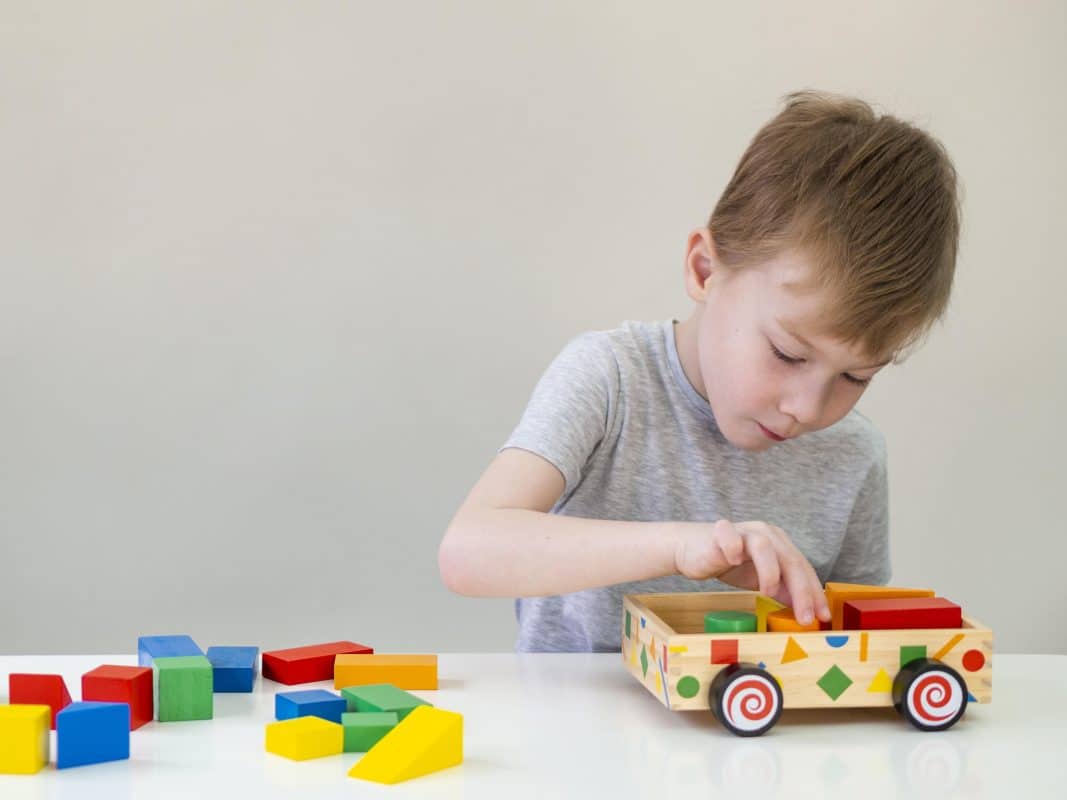
Young children naturally practice problem-solving every day. They figure out how to stack blocks without falling, complete puzzles, or build structures that stay balanced.
Children who regularly engage in simple thinking activities at home often become more comfortable exploring unfamiliar situations and solving challenges independently.
As children repeat these experiences, they gradually build confidence in their ability to think through problems on their own.
How Educational Toys Teach Problem-Solving Naturally
Unlike passive entertainment, educational toys invite children to participate actively.
Children learn by:
- recognizing patterns
- testing ideas
- predicting outcomes
- adjusting strategies
- learning through trial and error
Instead of receiving immediate answers, children become part of the learning process.
This active participation strengthens curiosity and encourages flexible thinking.
Educational play becomes even more effective when children engage in screen free learning activities for toddlers, allowing them to explore through movement and direct interaction.
Types of Educational Toys That Strengthen Thinking Skills
Certain toys naturally encourage deeper thinking.
Examples include:
Puzzles
Puzzles teach children how to analyze shapes, recognize patterns, and persist through challenges.
Building Toys
Blocks and construction activities require planning and experimentation.
Matching and Sorting Games
Children begin noticing relationships between colors, shapes, and categories.
STEM Activities
Hands-on STEM play introduces early scientific thinking.
Many parents looking for practical learning ideas also explore sensory STEM activities for preschoolers, because sensory exploration naturally encourages observation and experimentation.
Focus and Problem-Solving Work Together
Problem-solving depends heavily on attention.
Children often need time to observe details, remember information, and test multiple ideas before finding solutions.
Activities that build concentration can support stronger thinking skills over time.
Parents looking to strengthen attention often explore attention span toys for kids, because focus and problem-solving naturally develop together.
Long periods of concentrated play also help children become more patient and persistent.
Montessori Learning Encourages Independent Thinking
Montessori education focuses heavily on self-directed learning.
Instead of giving immediate answers, Montessori environments encourage children to explore independently and discover solutions themselves.
This process strengthens both confidence and decision-making skills.
Families interested in deeper learning environments often create a Montessori learning hub at home where children can explore activities at their own pace.
Small opportunities for independent thinking can create meaningful long-term growth.
The Hidden Connection Between Boredom and Problem Solving
Parents often worry when children say they feel bored.
However, boredom can create opportunities for independent thinking.
Without constant entertainment, children begin inventing games, creating stories, and experimenting with ideas.
Research around the benefits of boredom for children suggests that unstructured time often supports creativity and flexible thinking.
Sometimes problem-solving begins when children simply have space to think.
Long-Term Benefits of Problem-Solving Through Play
Children who regularly participate in hands-on learning experiences often develop:
- stronger critical thinking
- greater persistence
- improved creativity
- better emotional regulation
- increased confidence
These skills continue supporting children long after playtime ends.
Early problem-solving experiences influence learning, relationships, and everyday decision-making throughout life.
Conclusion
Educational toys do much more than entertain children.
They create opportunities to think, explore, and solve challenges independently.
Through puzzles, STEM activities, building games, and open-ended play, children gradually develop skills that support learning for years to come.
Simple moments of play today often become the foundation for stronger thinking tomorrow.
FAQ
How do educational toys build problem-solving skills?
Educational toys encourage children to test ideas, explore solutions, and think independently.
Which toys improve problem-solving?
Puzzles, building toys, matching games, and STEM activities help strengthen thinking skills.
At what age do problem-solving skills begin?
Problem-solving begins during infancy and develops rapidly through play experiences.
Are Montessori toys good for critical thinking?
Yes. Montessori toys encourage independent exploration and self-correction.
Can screen-free toys improve thinking skills?
Hands-on activities often encourage deeper engagement and active learning.