

AI Smart Toys for Kids: Are They Helpful or Harmful for Early Learning?
Jan
Introduction
AI smart toys for kids are everywhere now — from talking robots to interactive learning companions that respond to a child’s voice. At first glance, these toys seem exciting and educational. Many parents hope they can improve learning, creativity, or even communication skills.
However, not all smart toys support healthy child development in the same way. While some encourage problem-solving and curiosity, others may increase screen dependency, reduce hands-on play, or raise privacy concerns.
So how can parents tell the difference?
In this guide, we’ll explore the real benefits and risks of AI smart toys for kids, what experts say about them, and how to balance technology with meaningful screen-free learning.
What Are AI Smart Toys?
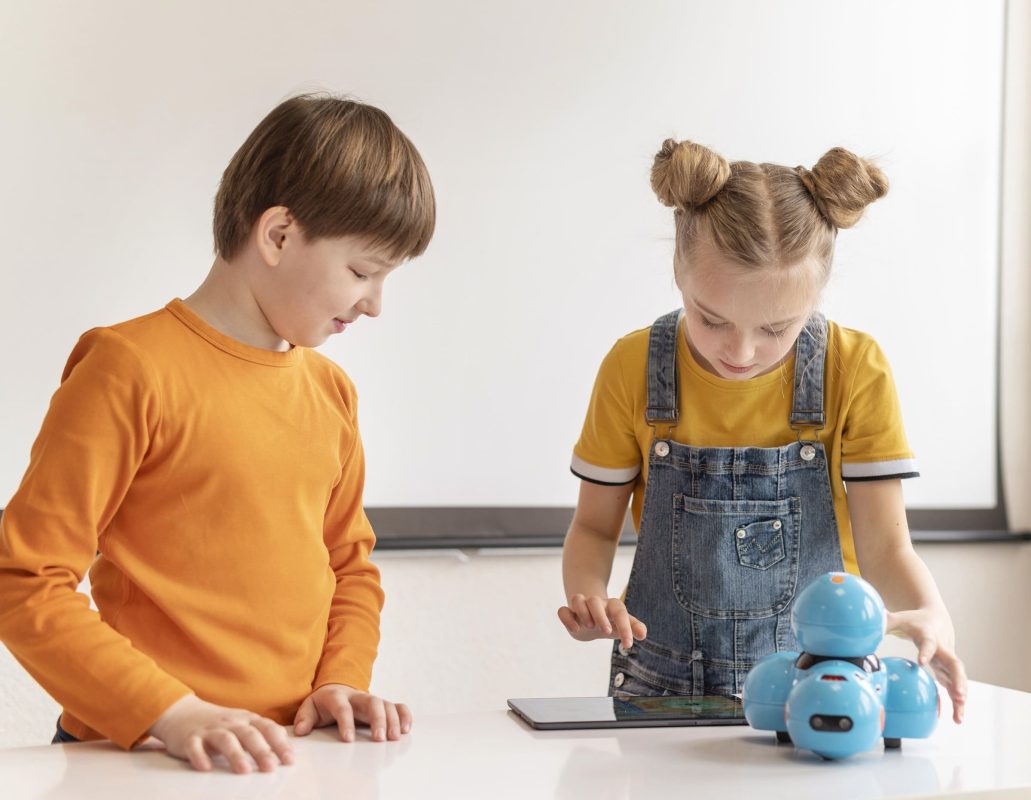
AI smart toys for kids are toys that use artificial intelligence to respond to a child’s actions, voice, or behavior. Unlike traditional educational toys, these products often collect data, adapt responses, and simulate conversation or decision-making.
Some common examples include talking dolls, interactive robots, learning tablets, and app-connected toys. Many claim to improve language skills, problem-solving, or emotional understanding through personalized interaction.
However, not all AI smart toys function in the same way. Some rely heavily on cloud-based data processing, while others use basic algorithms stored inside the toy. This difference matters when it comes to safety, privacy, and developmental impact.
Why Parents Are Drawn to AI Smart Toys
Parents naturally want tools that support learning and growth. AI smart toys appeal because they promise more than entertainment.
First, these toys often adjust difficulty levels based on a child’s responses. As a result, children may feel challenged without becoming frustrated. Second, many AI toys provide instant feedback, which can feel rewarding and motivating.
In addition, busy families may see AI toys as helpful learning companions. When a toy talks, asks questions, or suggests activities, it may feel like an extra set of helping hands.
Yet, convenience should never replace thoughtful evaluation—especially during early childhood.
The Learning Benefits Often Promoted
Manufacturers of AI smart toys for kids often highlight educational benefits. Some toys support vocabulary building by responding to spoken words. Others introduce basic STEM concepts, such as coding logic or pattern recognition.
In certain cases, AI toys may help children practice repetition, memory, and sequencing. For older children, adaptive quizzes or problem-solving challenges can reinforce academic skills.
That said, learning outcomes depend heavily on how the toy is used. Passive interaction, where a child simply listens or follows instructions, does not offer the same benefits as active, hands-on play.
The Hidden Risks Parents Should Understand
While AI smart toys can sound impressive, they also raise serious concerns—especially for younger children.
One major issue is data privacy. Many AI toys collect voice recordings, usage data, or behavioral patterns. If this information is stored online, it may be vulnerable to misuse or breaches. In Europe, strict data protection laws exist, but not all toy companies follow best practices equally.
Another concern is over-reliance on screen-based or voice-driven interaction. When children spend too much time engaging with AI instead of people, opportunities for real social development may decrease.
There is also the issue of content control. Some AI toys have produced unexpected or inappropriate responses due to software errors or external data sources. While rare, these cases highlight the importance of adult supervision.
AI Toys vs. Real-World Learning Through Play
Research consistently shows that young children learn best through real-world interaction. Touching, building, sorting, and moving objects activates multiple areas of the brain at once.
Screen-free learning toys, sensory toys for early childhood development, and Montessori-inspired educational toys encourage children to explore at their own pace while improving focus and independent thinking.
Unlike AI smart toys, traditional educational toys do not collect data, track behavior, or simulate relationships. Instead, they support genuine curiosity and creativity.
This does not mean AI toys are always harmful—but they should never replace hands-on play.
The Role of Adult Guidance
One of the biggest factors in determining whether AI smart toys for kids are helpful or harmful is adult involvement.
When parents play alongside children, ask questions, and guide exploration, learning becomes deeper and more meaningful. Without guidance, even the most advanced toy can become passive entertainment.
Parents should view AI toys as tools—not teachers. Balance is essential. A child’s development depends on relationships, movement, and open-ended exploration far more than digital interaction.
What Educators and Experts Say
Educational experts emphasize that technology should support—not lead—early learning. According to research shared by the Harvard Graduate School of Education, children benefit most from play that involves human interaction, imagination, and physical engagement.
AI smart toys may support learning in short, structured moments. However, long-term cognitive and emotional growth depends on experiences that technology cannot replace.
This is especially important during the preschool years, when brain development is rapid and sensitive to environmental input.
How Parents Can Make Smarter Choices
If you are considering AI smart toys for kids, thoughtful selection is key.
First, check whether the toy works offline or requires constant internet access. Offline toys generally pose fewer privacy risks.
Second, read privacy policies carefully. Look for clear explanations about data collection and storage.
Third, consider your child’s age and needs. For toddlers and preschoolers, hands-on educational toys, sensory toys, and simple puzzles are often more developmentally appropriate.
Finally, set clear limits. AI toys should complement—not replace—screen-free play, outdoor activity, and social interaction.
A Balanced Approach to Learning Toys
Parents do not need to reject technology completely. Instead, aim for balance.
STEM toys for kids, wooden logic puzzles, and hands-on building activities help children develop essential skills without the overstimulation often associated with screens.
When technology is used sparingly and intentionally, it can support learning. When overused, it can interfere with attention, emotional regulation, and creativity.
The goal is not more intelligence—but healthier development.
What This Means for Families in Europe and Australia
Parents in Europe and Australia are increasingly aware of digital safety, sustainability, and child-led learning. Many families now prefer educational toys that support real-world skills and reduce screen exposure.
As regulations evolve and awareness grows, demand for transparent, ethical toy design will continue to rise. This shift creates space for thoughtful brands that prioritize learning, safety, and human connection.
Signs an AI Toy May Be Too Stimulating for Young Children
Some AI toys are designed to keep children constantly entertained through lights, sounds, fast responses, and endless stimulation. While this may seem engaging at first, overstimulation can reduce attention span and make calm, focused play more difficult.
Parents may notice signs such as:
Difficulty transitioning away from the toy
Shorter attention span during non-digital play
Increased frustration or emotional dysregulation
Constant need for stimulation or feedback
For toddlers and preschoolers, balanced play experiences are especially important. Quiet, hands-on activities often support deeper learning than constant digital interaction.
Final Thoughts
AI smart toys for kids reflect a growing trend in educational technology. They offer interesting possibilities, but also introduce important risks that parents should not ignore.
By understanding how these toys work—and where their limits lie—families can make informed choices. Real learning happens through play that is active, social, and meaningful. For example, many parents now combine technology with screen-free activities that encourage creativity, tactile exploration, and longer attention spans.
In the end, the best toys are not the smartest machines—but the ones that support curiosity, confidence, and connection.
FAQ
Are AI smart toys safe for toddlers?
Some AI toys are designed for young children, but parents should always check age recommendations, privacy settings, and screen exposure levels before use.
Can AI toys replace educational toys?
No. AI toys may support certain learning activities, but children still need hands-on play, movement, creativity, and social interaction for healthy development.
Do AI smart toys collect data?
Some AI toys collect voice recordings or usage data to improve interactions. Parents should review privacy policies carefully before purchasing.
What are better alternatives to AI toys for preschoolers?
Many experts recommend Montessori toys, sensory toys, puzzles, and screen-free educational activities that encourage active learning and concentration.