

Best Educational Toys for Kids With Down Syndrome (By Age & Skill Guide)
Dec
Introduction: Why the Right Toys Matter for Kids With Down Syndrome
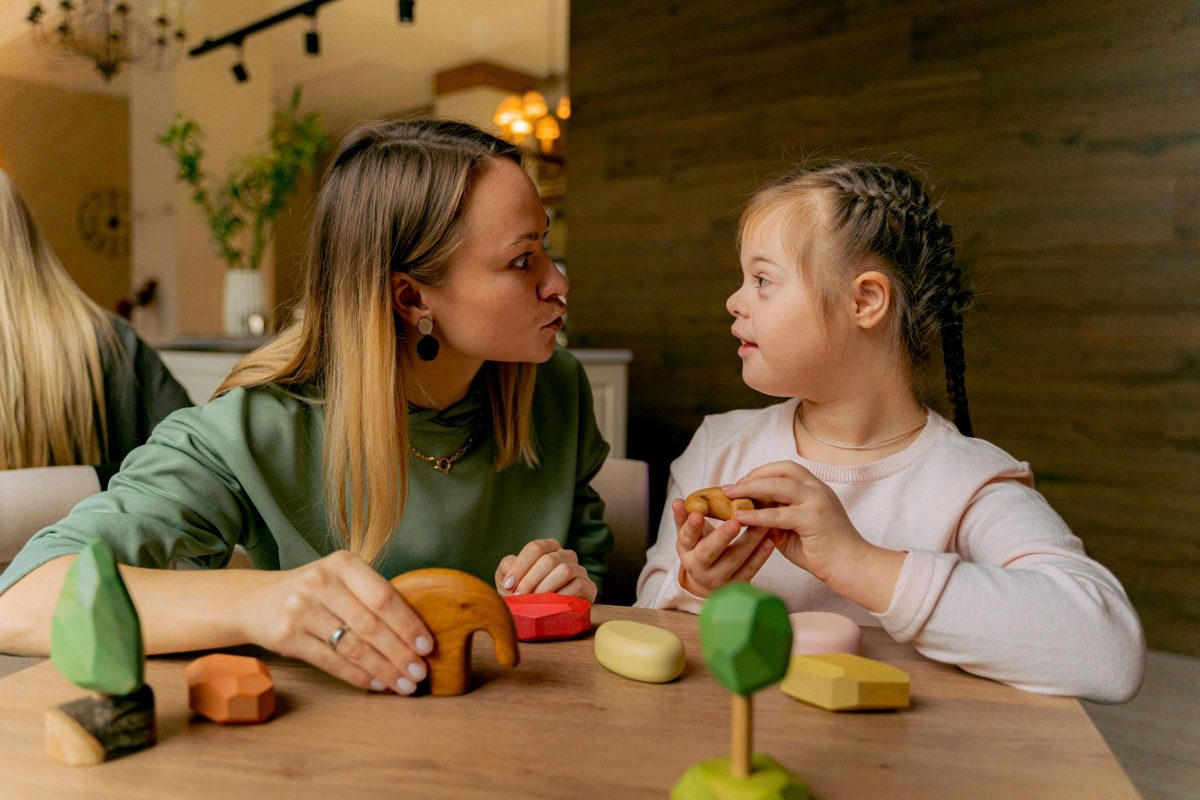
Choosing the best educational toys for kids with Down syndrome can make a meaningful difference in how they learn, communicate, and explore the world. Children with Down syndrome often benefit from hands-on, engaging, and visually clear activities. Because play strengthens memory, language, coordination, and social skills, the right toys can become powerful learning tools—not just entertainment.
Parents sometimes wonder which toys truly help with early development. This guide brings together expert insights, early-childhood research, Montessori principles, and practical strategies to help families select toys that support cognitive, motor, and emotional growth. Each section highlights development-friendly toys and explains why they work, so you can choose with confidence.
I. How Children With Down Syndrome Learn Through Play
Understanding Strengths and Learning Styles
Children with Down syndrome often have beautiful strengths:
- strong visual learning
- loving social engagement
- high persistence
- strong memory for routines
- interest in hands-on activities
They also benefit from toys that:
- encourage repetition
- support hand strength
- develop speech and language
- teach problem-solving in small steps
- use visuals instead of lengthy verbal instructions
Because of these learning characteristics, the best educational toys for kids with Down syndrome are simple, structured, sensory-rich, and designed for interactive play.
II. Fine Motor Development: Strengthening Hands for Life Skills
Why Fine Motor Toys Matter
Many children with Down syndrome experience low muscle tone, especially in the hands. Strengthening hand muscles improves:
- writing readiness
- self-care skills (zipping, buttoning)
- feeding skills
- attention span
- hand-eye coordination
Best Fine Motor Toys for Kids With Down Syndrome
1. Lacing and Threading Toys
Great for concentration, pincer grip, and bilateral coordination.
Use clear shapes and thick strings.
2. Montessori Practical Life Tools
Pouring, spooning, scooping—simple but powerful tasks.
These build independence and confidence.
3. Busy Books With Fasteners
Snaps, zippers, buckles, and velcro practice real-life skills.
4. Peg Boards and Jumbo Peg Puzzles
Bright, simple visuals help kids succeed without frustration.
👉 Explore Fine Motor Toys in our collection — (Montessori Toys)
III. Sensory Toys: Building Focus, Attention, and Emotional Regulation
Why Sensory Play Is Essential
Children with Down syndrome benefit from sensory toys because they help:
- improve focus
- calm the nervous system
- build body awareness
- teach cause-and-effect
- increase exploration and curiosity
Best Sensory Toys for Kids With Down Syndrome
1. Textured Balls and Sensory Spheres
Encourage tactile exploration and strengthen grip.
2. Water Beads, Kinetic Sand, and Sensory Bins
These improve hand strength and are wonderful for attention span.
3. Light-Up and Cause-and-Effect Toys
Buttons → lights / sounds help kids understand sequences and logic.
4. Fidget Toys for Regulation
Useful for transitions, car rides, and waiting periods.
👉 View our Sensory Play Collection for Down syndrome-friendly options (Sensory Toys)
IV. Language Development: Toys That Encourage Communication
Supporting Speech Through Play
Many children with Down syndrome are strong visual learners but need extra support with expressive language. Toys that encourage interaction and turn-taking can boost language significantly.
Best Language-Boosting Toys
1. Picture Matching & Vocabulary Cards
Great for labeling objects and forming early sentences.
2. Animal Figurines and Pretend-Play Sets
Encourages storytelling, imaginative play, and speech expansion.
3. Sound-Based Toys
Simple musical instruments increase vocal imitation and rhythm.
4. Books With Repetition and Interaction
Lift-the-flap or touch-and-feel books are especially engaging.
How to Use Toys to Build Language
- Name objects during play
- Use slow, simple phrases
- Encourage imitation (“your turn!”)
- Use gestures and pointing
- Offer choices (“blue block or red block?”)
V. Cognitive Development: Puzzles, Sorting, and Problem-Solving
Why Cognitive Toys Matter
Kids with Down syndrome often shine with visual tasks. Puzzles and sorting toys help build:
- memory
- sequencing
- visual discrimination
- spatial awareness
- early math concepts
Best Cognitive Toys for Kids With Down Syndrome
1. Wooden Shape Sorters
Perfect for structured problem-solving.
2. Matching Games
Boost memory through repetition—an area where many children excel.
3. Chunky Wooden Puzzles
Use knobs or large pieces for easy grip and success.
4. Montessori Object Permanence Boxes
Teach prediction and sequential thinking.
👉 Explore our guide on puzzles and logic games for cognitive development
VI. Gross Motor Play: Movement Builds the Brain
Kids with Down syndrome benefit greatly from movement toys because they support balance, core strength, and overall coordination—which also improves attention and learning.
Best Gross Motor Toys
- balance beams
- soft climbing structures
- ride-on toys
- mini trampolines (with handle)
- bean bag toss games
- stepping stones
Gross motor play also increases confidence and emotional resilience.
VII. Social & Emotional Learning Toys
Helping Kids Build Social Skills Through Play
Children with Down syndrome are naturally social, and the right toys help them:
- share
- take turns
- express feelings
- cooperate
- build friendships
Best SEL Toys
- cooperative board games
- emotion flashcards
- pretend-play role sets
- puppets for storytelling
These toys encourage gentle communication and shared play.
VIII. Choosing Toys By Age (0–10 Years)
0–12 Months
- sensory mobiles
- soft rattles
- textured cloth books
- tummy-time toys
1–2 Years
- stacking cups
- push-pull toys
- simple shape sorters
- first puzzles
2–3 Years
- busy books
- lacing toys
- sensory bins
- cause-and-effect toys
3–5 Years
- matching games
- Montessori trays
- early STEM toys
- obstacle course toys
6-10 Years
- logic puzzles
- strategy board games
- STEM kits with structure
- memory challenges
- social storytelling games
IX. How to Set Up a Down Syndrome-Friendly Learning Space
Tips for Success
- Keep toys simple and visible
- Use low shelves
- Offer choices without overwhelming
- Rotate toys every 10–14 days
- Use clear baskets and labels
- Keep activities short, consistent, and fun
A calm space allows kids to focus better.
X. External Research Source
For comprehensive guidance on living successfully with Down syndrome, including education, support and early development resources, visit the Down’s Syndrome Association (DSA).
Conclusion: The Right Toys Can Change Everything
Choosing the best educational toys for kids with Down syndrome helps children grow with confidence, joy, and curiosity. When toys support fine motor skills, sensory development, communication, and problem-solving, children learn through play in the most natural way possible.
Every small step—from stacking blocks to matching pictures—builds long-term skills. With the right tools and a nurturing environment, your child can thrive, explore, and shine in their own unique way.
FAQ
What are the best sensory toys for children with Down syndrome?
Sensory toys that support tactile exploration, visual stimulation, and cause-and-effect learning are especially helpful. Textured balls, sensory bins, light-up toys, and simple musical instruments can improve focus, body awareness, and emotional regulation. Choosing toys that are visually clear and not overstimulating helps children stay engaged longer.
How do educational toys support speech development?
Educational toys encourage communication through repetition, imitation, and interactive play. Picture cards, pretend-play sets, and sound-based toys help children practice labeling, turn-taking, and expressive language. Using simple phrases during play and giving children time to respond can significantly boost speech development.
Are Montessori toys good for kids with Down syndrome?
Yes. Montessori-inspired toys are often structured, hands-on, and visually simple, which matches the learning strengths of many children with Down syndrome. Activities like pouring, sorting, and matching build independence, fine motor control, and problem-solving skills step by step.
What toys are best for a 5-year-old with Down syndrome?
At this age, children often benefit from matching games, structured puzzles, early STEM toys, pretend-play sets, and cooperative board games. Toys that build language, fine motor skills, and social interaction are especially helpful. It is important to choose toys based on developmental level rather than age alone.
What toys are recommended for a 10-year-old with Down syndrome?
Older children may enjoy logic puzzles, memory games, beginner strategy board games, structured STEM kits, and storytelling sets. These toys strengthen sequencing, planning skills, and social communication while still offering hands-on engagement.
How many toys should be available at once?
Offering too many toys at the same time can feel overwhelming. A small, organized selection rotated every 10–14 days helps maintain focus and curiosity. Clear shelves and labeled baskets also improve independence and attention span.