

Minimalist Playroom Ideas: How Fewer Toys Inspire More Imagination
Nov
Introduction
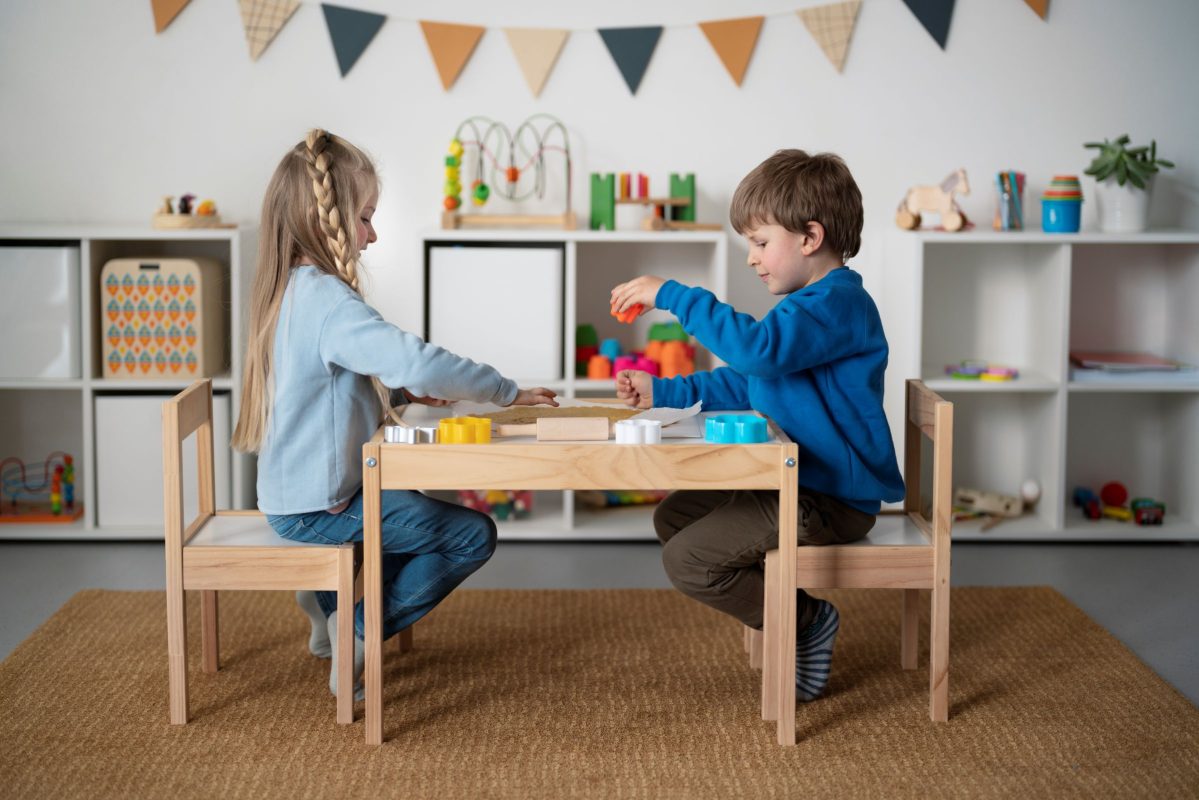
In today’s world of endless toy choices, many parents notice that their children quickly lose interest. A minimalist playroom ideas offers a calm, clutter-free space where imagination can truly thrive. With just a few thoughtful Montessori and educational toys, kids learn to focus, create, and explore more deeply — proving that less really can be more.
Why Fewer Toys Lead to Deeper Play
When children have too many options, they tend to flit from one toy to another without concentration. A simplified playroom allows them to slow down and engage more meaningfully with each object. According to a 2024 report by the American Academy of Pediatrics – The Power of Play reducing toy clutter helps children build stronger focus and problem-solving abilities.
Montessori Principles Behind Minimalist Playroom Ideas
The Montessori philosophy teaches that the environment shapes the child. A minimalist playroom mirrors that belief — promoting independence and calm. Choose open-ended toys like Magnetic Building Tiles or Wooden Puzzles that allow endless creativity rather than one-time entertainment.
Try rotating toys every few weeks instead of adding more. This keeps playtime fresh without overwhelming your child. A simple environment works best when paired with Montessori toys for ages 3–5 that encourage independent exploration. A minimalist setup often includes sensory toys for early childhood development that encourage deeper play.
The Benefits You’ll Notice About Minimalist Playroom Ideas
A minimalist playroom helps children:
- Develop focus and patience
- Strengthen creativity through imaginative play
- Feel calmer and less overstimulated
- Learn to appreciate and care for their toys
A calm environment becomes even more valuable when children engage in puzzles for kids critical thinking, because problem-solving activities encourage focus and persistence. Similarly, many parents notice that the benefits of boredom for children become more visible when play spaces feel less overwhelming and leave more room for imagination.
How to Create a Minimalist Playroom at Home
Keep shelves simple, reduce visual clutter, and allow children to choose activities independently.
Creating a minimalist playroom does not mean removing everything. Instead, focus on offering a small number of meaningful toys and organizing them in a calm, accessible way.
Start with open-ended materials children can use repeatedly. Rotate toys every few weeks instead of constantly buying new ones. Many families also include sensory toys for early childhood development because hands-on activities encourage deeper and longer engagement.
Final Thought
Creating a minimalist playroom isn’t about taking away joy — it’s about giving space for wonder. When kids have room to think and imagine freely, play becomes more meaningful and growth more natural
FAQ
What is a minimalist playroom?
A minimalist playroom is a simple and organized space with fewer toys and less clutter. Instead of offering endless options, it encourages children to focus, imagine, and engage more deeply in play.
Do fewer toys really help children play better?
Yes. Research and many parent experiences suggest that fewer toys can reduce overwhelm and help children stay engaged longer with each activity.
How many toys should be available at one time?
There is no perfect number. However, many families find that keeping around 5–10 toys available at a time helps children focus without feeling overstimulated.
What toys work best in a minimalist playroom?
Open-ended toys often work best. Building blocks, wooden puzzles, sensory materials, pretend-play items, and Montessori-inspired toys encourage creativity and repeated use.
How often should toys be rotated?
Most families rotate toys every one to two weeks. As a result, old toys can feel fresh again without constantly buying new items.
Can minimalist playrooms improve focus?
Yes. A simpler play environment often reduces overstimulation and helps children stay engaged with activities for longer periods.