

Best Astronomy Toys for Kids: Learning Space Through Play
May
Introduction
Many parents search for the best astronomy toys for kids because children are naturally fascinated by space, planets, stars, and astronauts. In fact, astronomy toys combine learning and creativity in a way few educational toys can.
The best astronomy toys for kids encourage curiosity, problem-solving, imagination, and early STEM learning through hands-on exploration. Instead of memorizing facts, children learn by building, observing, experimenting, and asking questions about the universe.
Moreover, space-themed play helps children develop focus, patience, and scientific thinking while still feeling fun and exciting.
Why Children Love Space and Astronomy
Space naturally sparks curiosity. Children wonder:
- Why do planets move?
- What are stars made of?
- How do rockets work?
- Is there life on other planets?
Because of these questions, astronomy play becomes a powerful gateway into science learning.
Additionally, many children who struggle with traditional learning become highly engaged when activities involve space exploration, building models, or interactive discovery.
How Astronomy Toys Support Early STEM Skills
The best astronomy toys for kids do more than teach planet names. They help children practice important STEM abilities such as:
- observation
- prediction
- sequencing
- spatial reasoning
- logical thinking
- problem-solving
For example, building a solar system model teaches scale and order. Similarly, constellation activities improve pattern recognition and memory.
Hands-on exploration also supports sensory STEM activities for preschoolers by combining movement, touch, and visual learning.
Best Types of Astronomy Toys for Kids
🌍 Solar System Models
Solar system kits help children understand how planets relate to one another.
Children can:
- arrange planets in order
- learn planet names
- compare sizes
- understand orbit concepts
These toys are excellent for visual learners.
🚀 Rocket Building Kits
Rocket toys improve engineering thinking and creativity.
As children build and test structures, they naturally practice:
- sequencing
- planning
- experimentation
- patience
Many parents also combine these activities with puzzles for kids critical thinking to strengthen problem-solving skills further.
✨ Constellation and Star Projectors
Projectors turn bedrooms into interactive learning environments.
These toys encourage:
- quiet focus
- imagination
- curiosity about science
- independent exploration
In addition, they are excellent screen-free alternatives before bedtime.
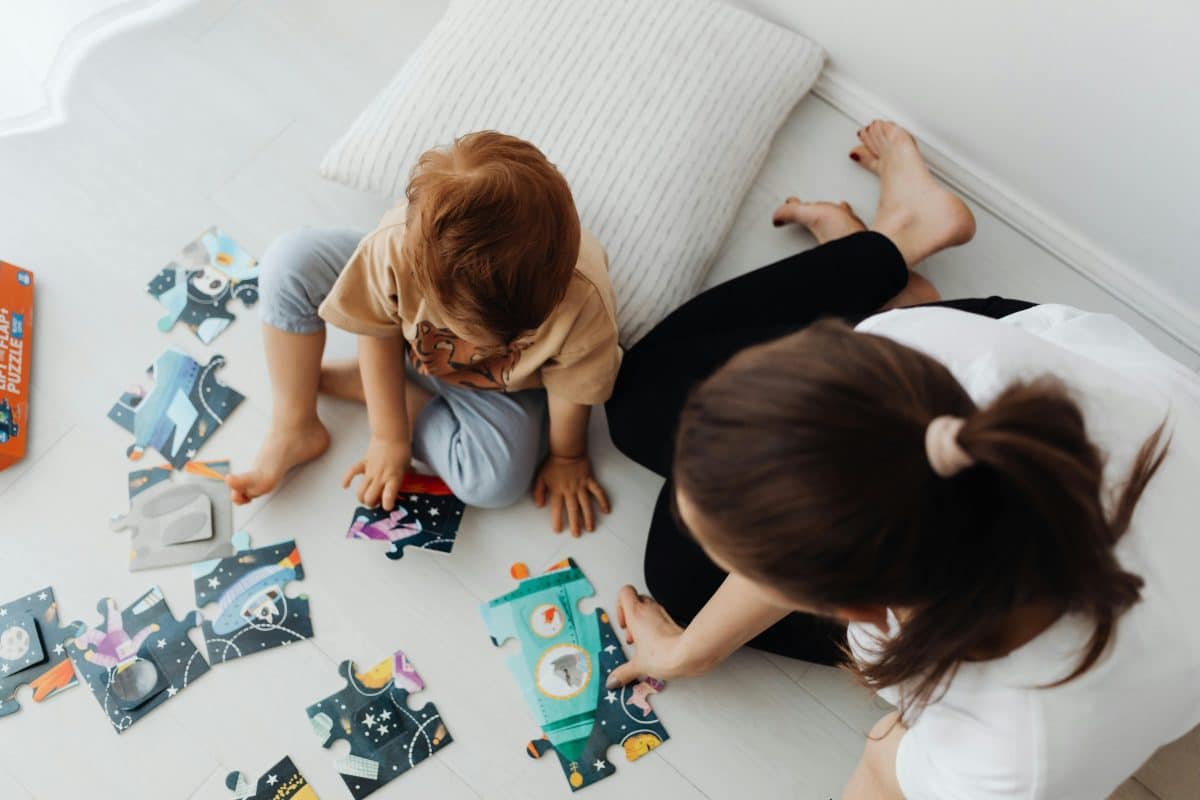
🪐 Planet Puzzles and Matching Games
Space-themed puzzles support:
- visual discrimination
- concentration
- memory
- logical reasoning
Because children stay engaged longer with meaningful themes, astronomy puzzles often improve attention span naturally.
Many families who enjoy these activities also use attention span toys for kids to build deeper focus skills.
Astronomy Toys vs Passive Screen Time
Although children can learn about space through videos, active play creates deeper understanding.
With hands-on astronomy toys, children:
- ask questions
- test ideas
- solve problems
- build models
- make discoveries independently
As a result, learning becomes more meaningful and memorable.
This is one reason many parents now prefer screen-free educational toys over passive entertainment.
How to Choose the Best Astronomy Toys for Kids
When selecting astronomy toys, look for:
- hands-on interaction
- age-appropriate difficulty
- open-ended exploration
- durable materials
- opportunities for creativity
However, avoid toys that:
- overwhelm children with too many features
- rely only on flashing lights
- provide passive entertainment without interaction
Simple toys often create the deepest learning experiences.
Best Astronomy Toys by Age
Ages 2–4
- soft planet toys
- simple matching games
- sensory space bins
- beginner constellation cards
At this age, playful exploration matters most.
Ages 4–6
- solar system puzzles
- magnetic planet sets
- beginner telescopes
- rocket building kits
Children begin understanding sequences and simple science concepts.
Ages 6–10
- advanced STEM kits
- model rockets
- coding-based space games
- astronomy experiment kits
Older children enjoy more structured challenges and problem-solving activities.
How Space Play Builds Creativity
Astronomy play is not only about science. It also strengthens imagination.
Children invent stories about:
- astronauts
- alien worlds
- rockets
- space travel
- future discoveries
This balance between creativity and logic is extremely valuable for long-term learning.
Similarly, open-ended exploration through Montessori toys for ages 3–5 also supports independent thinking and curiosity.
Creating a Space-Themed Learning Environment at Home
You do not need expensive equipment to encourage astronomy learning.
Simple ideas include:
- reading space books
- using glow-in-the-dark stars
- building cardboard rockets
- watching the moon together
- exploring constellation apps occasionally
- rotating space-themed toys weekly
A calm learning environment encourages children to stay curious longer.
Final Thoughts
The best astronomy toys for kids do much more than entertain. They encourage children to ask questions, think critically, and explore the universe through hands-on discovery.
Most importantly, astronomy play transforms learning into adventure.
By combining curiosity, creativity, and STEM thinking, space-themed toys help children develop skills that support lifelong learning.
FAQ
What age is best for kids to start exploring astronomy toys?
Children can begin exploring simple astronomy toys as early as age two through sensory play, planet matching, and visual exploration.
Do astronomy toys help with STEM learning?
Yes. Astronomy toys support observation, problem-solving, sequencing, and scientific thinking through hands-on play.
Are telescopes good for young children?
Beginner telescopes designed for children can encourage curiosity, but simpler hands-on toys are often more effective for preschoolers.
Can astronomy toys improve attention span?
Yes. Many space-themed puzzles and building activities encourage longer focus and independent exploration.