

Learning Maths Through Play: A Natural Way to Build Strong Foundations
Feb
Introdoction
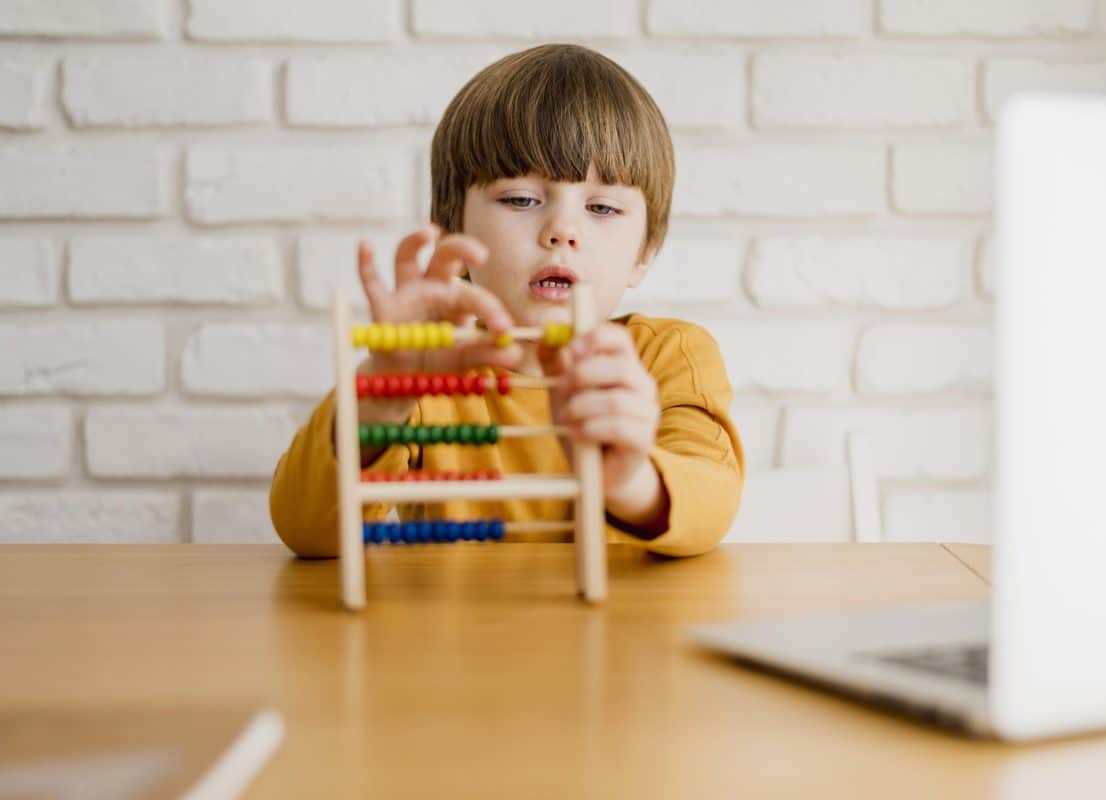
Learning maths through play helps children understand numbers in ways that feel natural and meaningful. Instead of memorizing symbols or repeating worksheets, children learn maths through movement, hands-on experiences, and exploration.
Through puzzles, sorting activities, building toys, and everyday play, children gradually develop confidence while strengthening important thinking skills. Educational toys make maths feel less like instruction and more like discovery.
Through hands-on experiences, children begin to understand numbers, patterns, quantities, and problem-solving in a way that feels natural and enjoyable. Instead of memorizing symbols, they build meaning through action, movement, and exploration.
Educational toys play a central role in this process. When children touch, sort, count, and build, maths becomes something they can see and feel—not just something they are told.
Why Early Maths Learning Matters More Than We Think
Early maths skills are not just about counting to ten or recognizing numbers. In fact, early mathematical thinking helps develop logical reasoning, memory, focus, and even language skills.
Research consistently shows that children who build strong early maths foundations tend to perform better academically later in life. More importantly, they develop confidence when facing challenges. Rather than fearing numbers, they learn to approach problems with curiosity.
Because of this, introducing maths concepts early—through play rather than pressure—can make a long-term difference.
How Children Naturally Learn Maths
Children are born with an intuitive sense of quantity. They notice differences between “more” and “less,” recognize patterns, and compare sizes long before formal schooling begins.
Play supports this natural learning process by allowing children to:
- Experiment freely without fear of mistakes
- Repeat activities until understanding clicks
- Connect abstract ideas to real-world experiences
For example, stacking blocks teaches balance and measurement. Sorting toys introduces classification. Simple puzzles develop spatial awareness. All of these are foundational maths skills. Early math concepts often begin through hands-on exploration. Many parents notice that sensory toys for brain development support pattern recognition, focus, and early cognitive growth.
The Role of Educational Toys in Learning Maths
Educational toys create an environment where maths concepts appear naturally during play. Instead of worksheets or screens, children interact with physical objects that invite exploration.
Well-designed educational toys encourage children to:
- Count objects without being told to count
- Recognize patterns while building or sorting
- Compare sizes, shapes, and quantities
- Solve problems independently
This type of learning is especially effective because it engages multiple senses at once. As a result, children retain information more deeply.
Activities that involve challenges and experimentation naturally support stronger thinking abilities. Many families also use educational toys for problem solving because they encourage children to test ideas independently.
Learning Maths Through Montessori-Inspired Play
Montessori-inspired learning places strong emphasis on concrete materials. In maths education, this approach is particularly powerful.
Instead of introducing numbers as symbols first, Montessori materials allow children to touch quantities, move objects, and see relationships clearly. Over time, abstract thinking develops naturally.
Montessori-style maths toys often include:
- Counting beads or rods
- Wooden number boards
- Shape and size sorting materials
- Pattern and sequence games
These tools help children understand not just “how” to count, but “why” numbers work the way they do.
Key Maths Skills Children Develop Through Play
Learning maths through play supports a wide range of cognitive skills. Each playful activity contributes to more than one area of development. These early thinking skills often develop alongside executive abilities such as planning and memory. Activities involving executive function skills in early childhood support children’s ability to organize and solve problems.
Some of the most important maths-related skills include:
Number Sense
Children learn what numbers actually represent by handling objects. Counting toys, puzzles, and manipulatives make quantities visible and meaningful.
Pattern Recognition
Patterns are the foundation of maths. Through games that involve repetition, sequencing, or matching, children begin to recognize order and predict outcomes.
Spatial Awareness
Building blocks, puzzles, and construction toys strengthen spatial reasoning. This skill later supports geometry, reading, and even problem-solving in daily life.
Logical Thinking
When children experiment and adjust their strategies during play, they practice logic and reasoning. They learn cause and effect without formal instruction.
Screen-Free Maths Learning vs Digital Learning
While educational apps may seem convenient, screen-based maths learning often limits physical interaction. Children become passive observers instead of active learners.
In contrast, screen-free educational toys encourage movement, manipulation, and focus. Children remain engaged for longer periods because they control the pace of learning.
For many parents, choosing screen-free maths toys also supports attention span development and reduces overstimulation. Families looking for alternatives to screens often begin with screen free learning activities for toddlers that encourage movement and hands-on discovery.
Supporting Children Who Struggle with Maths
Some children need extra support when learning maths. Fortunately, play-based learning is especially helpful for children who feel anxious or overwhelmed by numbers. Parents sometimes notice learning difficulties when children lose interest quickly. Understanding why kids get bored educational toys can help create more engaging learning experiences.
Educational toys allow these children to:
- Learn at their own pace
- Repeat activities without judgment
- Build confidence through small successes
By removing pressure, maths becomes less intimidating and more approachable.
How Parents Can Encourage Maths Learning at Home
Parents do not need to be maths experts to support their child. Simple changes at home can create powerful learning moments. Simple home activities matter more than expensive materials. Many families begin with fun learning activities that combine play and skill development naturally.
For example:
- Counting everyday objects like toys or snacks
- Playing board games that involve numbers or movement
- Offering open-ended toys that invite problem-solving
Most importantly, parents should focus on progress rather than perfection. When children feel supported, learning flows naturally.
Choosing the Right Educational Toys for Maths Learning
Not all toys labeled “educational” truly support learning maths. Parents and educators should look for toys that encourage thinking rather than passive play.
Good maths-focused educational toys typically:
- Are open-ended
- Use real materials like wood
- Encourage problem-solving
- Grow with the child
Parents creating intentional learning spaces also explore Montessori made simple: how to create a learning hub at home to encourage independent learning routines.
What Research Says About Learning Maths Through Play
Educational research strongly supports play-based learning. Studies from institutions such as the Harvard Graduate School of Education highlight how learning through play strengthens cognitive development, including mathematical thinking.
According to learning-through-play research, children who engage in hands-on, playful learning show deeper understanding and better long-term retention compared to rote learning methods.
Final Thoughts: Maths as a Joyful Experience
Learning maths does not need to be stressful or rigid. When children are given the right tools and environment, maths becomes a natural part of play and discovery.
Educational toys transform numbers into experiences. They help children build confidence, curiosity, and real understanding—skills that last far beyond childhood.
By choosing play-based maths learning, parents and educators give children more than academic skills. They give them a positive relationship with learning itself.
FAQ
Why is learning maths through play effective?
Learning through play helps children understand maths concepts through hands-on experiences rather than memorization.
What toys help children learn maths?
Counting toys, puzzles, sorting activities, building toys, and Montessori materials all support maths learning.
Can toddlers begin learning maths?
Yes. Toddlers naturally explore quantities, patterns, and relationships through everyday play.
Are educational toys better than worksheets?
Hands-on learning often creates stronger understanding because children actively participate.
Does play improve problem-solving skills?
Yes. Many play activities encourage children to experiment, adapt, and think independently.