

Why Shape Matching Activities Are Important for Toddlers?
May
Introduction
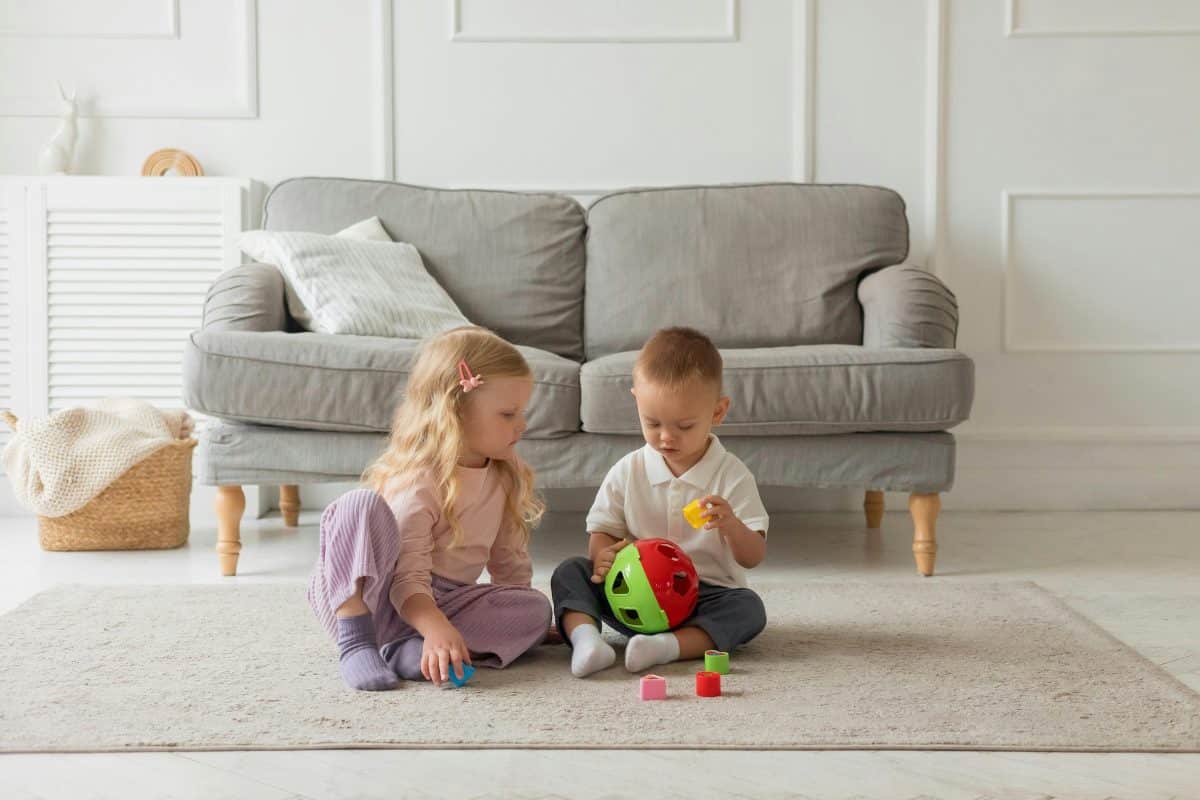
Many parents notice that toddlers naturally enjoy matching games. Whether they are connecting shapes, sorting colors, or fitting puzzle pieces into the correct spaces, children often repeat these activities again and again.
However, shape matching activities are much more than simple entertainment.
In reality, these hands-on experiences help toddlers build important early learning skills, including focus, coordination, memory, and problem-solving. Because young children learn best through active exploration, matching activities support brain development in a natural and engaging way.
Today, many Montessori-inspired toys use shape matching to strengthen early cognitive skills without relying on screens or overstimulation.
Why Toddlers Love Shape Matching Activities
Toddlers are naturally curious about patterns and order.
As they grow, they begin noticing:
- similarities
- differences
- shapes
- sizes
- colors
- sequences
Matching activities satisfy this curiosity because they create a simple challenge with a clear result.
For example, when a child successfully places the correct shape into the matching space, the brain receives immediate feedback. As a result, toddlers often repeat the activity many times to strengthen their understanding.
This type of repetition is extremely valuable for early development.
If your child enjoys repetitive hands-on play, Sensory Toys for Early Childhood Development may also provide useful ideas.
How Shape Matching Supports Brain Development
Every time toddlers compare, test, and adjust shapes, they strengthen important neural pathways.
Although adults may see a simple toy, the child’s brain is practicing:
- observation
- prediction
- memory
- visual discrimination
- logical thinking
Over time, these repeated experiences support stronger cognitive flexibility and problem-solving abilities.
In many ways, shape matching activities become an early introduction to STEM thinking.
Children learn:
- “Does this fit?”
- “Why not?”
- “What happens if I turn it?”
- “Which shape matches best?”
These small experiments build the foundation for later reasoning skills.
Shape Matching and Fine Motor Development
Shape matching activities also strengthen fine motor coordination.
When toddlers:
- grasp objects
- rotate pieces
- align shapes
- place items carefully
they improve hand strength and movement control.
Later, these same muscles support:
- writing
- drawing
- buttoning clothes
- using scissors
- independent self-care skills
Because of this connection, many occupational therapists recommend hands-on matching toys during early childhood.
Parents interested in strengthening coordination may also enjoy Montessori Activities for Fine Motor Skills.
Why Repetition Is Important for Toddlers
Many parents wonder why toddlers repeat the same activities over and over.
The answer is simple:
repetition builds mastery.
Young children learn through repeated experiences far more effectively than through verbal explanations alone.
Each repetition helps toddlers:
- improve accuracy
- strengthen memory
- increase confidence
- refine movement
- understand cause and effect
Therefore, repeated matching activities are not a sign of boredom. Instead, they are often a sign of deep concentration and active learning.
Montessori Principles Behind Shape Matching Toys
Montessori education encourages children to learn through independent discovery.
Instead of overwhelming toddlers with flashing lights or excessive stimulation, Montessori toys focus on one skill at a time.
Shape matching toys fit perfectly within this approach because they:
- encourage self-correction
- promote concentration
- support hands-on exploration
- allow independent practice
- reduce unnecessary distractions
As a result, children often stay engaged longer with simple matching activities than with noisy electronic toys.
Families exploring calmer learning environments may also benefit from Screen-Free Educational Toys.
How Shape Matching Builds Early Math Skills
Many early math concepts begin with visual comparison.
Before children learn numbers, they first learn:
- sorting
- grouping
- comparing
- sequencing
- recognizing patterns
Shape matching strengthens these foundational abilities naturally.
For example, toddlers begin noticing:
- circles vs squares
- large vs small
- similarities vs differences
These early observations later support geometry, spatial reasoning, and logical thinking. Many early STEM learning activities begin with simple visual comparison and sorting exercises during toddlerhood.
Best Types of Shape Matching Toys for Toddlers
Different matching toys support different developmental skills.
Some of the most effective options include:
- wooden shape sorters
- geometric egg toys
- peg puzzles
- stacking toys
- color matching activities
- Montessori sorting trays
Among the most popular options today are Montessori Eggs Toy: Why Geometric Eggs Are Perfect for Toddler Learning, which combine shape recognition, color matching, and fine motor practice in one simple activity.
Because toddlers enjoy opening, matching, and closing the eggs repeatedly, these toys often hold attention longer than many electronic alternatives.
Signs Your Toddler May Benefit From More Matching Activities
Some children especially benefit from hands-on matching play.
You may notice:
- short attention span
- frustration during problem-solving
- difficulty focusing independently
- quick boredom with toys
- limited patience with challenges
Simple matching activities can gradually improve concentration and persistence over time.
Parents concerned about focus may also find Attention Span Toys for Kids helpful.
How to Encourage Better Learning During Matching Play
The environment matters just as much as the toy itself.
To encourage deeper engagement:
- reduce background distractions
- offer only a few toys at once
- avoid correcting every mistake
- allow independent exploration
- rotate toys regularly
Children often learn best when adults step back and allow discovery to happen naturally.
Final Thoughts
Shape matching activities may appear simple, yet they support many important developmental skills during toddlerhood.
Through repetition, experimentation, and hands-on play, toddlers strengthen:
- focus
- coordination
- memory
- logical thinking
- confidence
Most importantly, these activities help children learn through curiosity rather than pressure.
Sometimes the simplest toys create the strongest learning foundations.
FAQ
Why are shape matching activities important for toddlers?
Shape matching activities help toddlers develop problem-solving, coordination, memory, and early logical thinking skills through hands-on play.
At what age can toddlers start shape matching activities?
Many children begin enjoying simple matching activities between 12 and 24 months, depending on their developmental stage.
Do shape matching toys improve fine motor skills?
Yes. Matching toys strengthen hand-eye coordination, grasp control, and movement precision, which later support writing and self-care skills.
Are Montessori matching toys better than electronic toys?
Many Montessori-style matching toys encourage deeper concentration and active learning because they reduce overstimulation and support independent exploration.
Can matching activities help improve attention span?
Yes. Repetitive hands-on activities often help toddlers practice focus, persistence, and sustained concentration naturally.
Why are shape matching activities important for toddlers?
Shape matching activities help toddlers develop problem-solving, coordination, memory, and early logical thinking skills through hands-on play.
At what age can toddlers start shape matching activities?
Many children begin enjoying simple matching activities between 12 and 24 months, depending on their developmental stage.
Do shape matching toys improve fine motor skills?
Yes. Matching toys strengthen hand-eye coordination, grasp control, and movement precision, which later support writing and self-care skills.
Are Montessori matching toys better than electronic toys?
Many Montessori-style matching toys encourage deeper concentration and active learning because they reduce overstimulation and support independent exploration.
Can matching activities help improve attention span?
Yes. Repetitive hands-on activities often help toddlers practice focus, persistence, and sustained concentration naturally.